
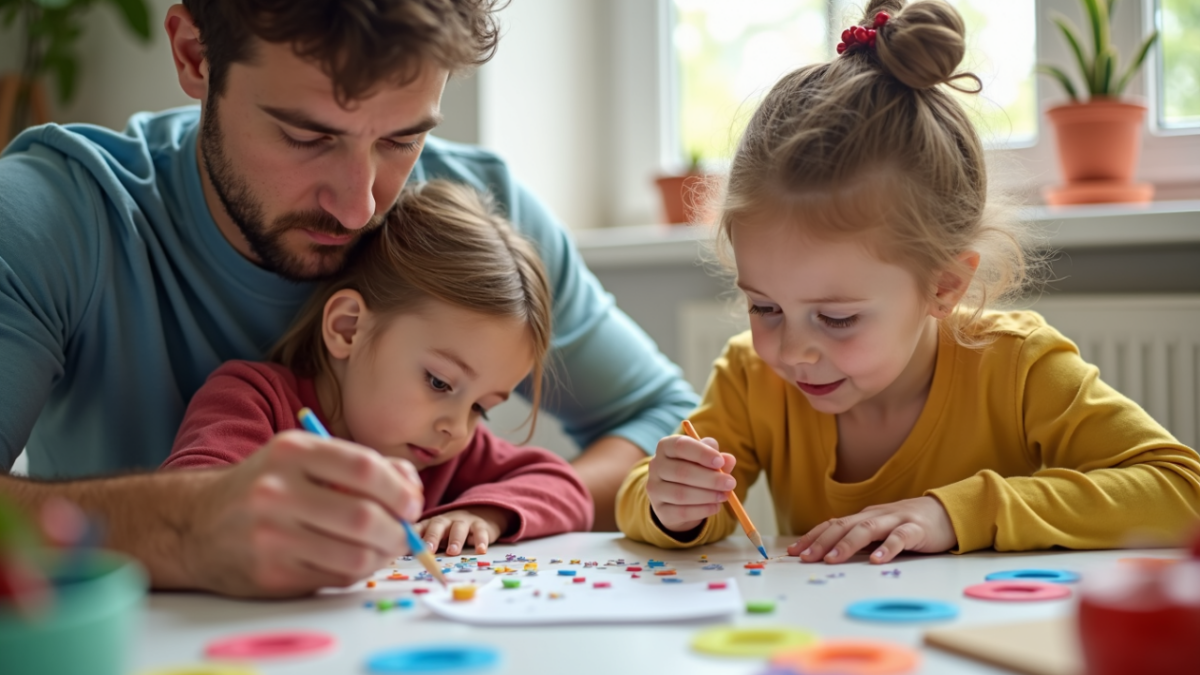
We’ve all been there: you’re trying to finish a work email, fold the laundry, or just grab five minutes of peace, and the “I’m boooored” chorus starts. It is so tempting to just hand over the tablet and call it a day. But what if those moments of boredom could actually be the perfect spark for your child’s imagination?
Stepping away from screens isn’t just about “limiting time”; it’s about opening a door to deeper brain development. When kids engage in unstructured play, they aren’t just passing time—they’re building essential problem-solving skills, sharpening their focus, and learning to manage their own emotions.
Ready to reclaim some screen-free time? Here are a few ways to turn your home into a playground for the brain.
1. The “Kitchen Helper” Mission
Stop viewing chores as an obstacle and start seeing them as an activity. Kids love to feel useful! If you’re prepping dinner, give them a “mission.” Ask them to wash the vegetables, stir the batter, or help you measure ingredients. It’s a fantastic way to teach life skills while keeping them right by your side.
2. Turn “Junk” into Treasure
Before you toss that cereal box or those paper towel rolls into the recycling bin, think again. With a little tape, glue, and markers, these “treasures” can become a castle, a rocket ship, or a miniature town. When you remove the rules, you allow your child’s creativity to take the lead. Don’t worry about the mess—the process of building is where the real learning happens.
3. Indoor Obstacle Courses
When the energy is high and the walls feel like they’re closing in, turn the living room into an adventure zone. Use couch cushions for mountains, string to create a “laser maze,” or ask them to balance a book on their head while they walk from the kitchen to the hall. It builds gross motor skills and burns off that excess energy, all while requiring their full attention.
4. The “Treasure Hunt” Challenge
Need to get something done in another room? Send them on a mission! Give them a list of things to find: “Something red, something soft, something that starts with the letter B”. It keeps them moving, encourages them to observe their surroundings, and gives you that precious bit of time you need to breathe.
Why It Works
It’s important to remember that you don’t have to be their entertainment director 24/7. In fact, a little bit of boredom is actually good for them. It forces them to pause, think, and come up with their own solutions.
By keeping a few “low-prep” items handy—like paper, markers, tape, and a few simple board games—you make it easier for them to choose offline play on their own. You might be surprised to find that once they get into the flow of building, drawing, or exploring, they won’t even remember the screen was an option.
What’s your go-to trick for keeping the kids occupied when you need a little quiet time? Let’s share some ideas in the comments!




Off-screen time is so valuable – not only for the kids but for us adults as well.
Great info here and so relevant to todays issues with tech and digital time 🕰️ absorption. So different to the times when I grew up!
These are all fun ideas and I can say they worked well when my boys were small.
I love the idea of treating boredom as an invitation to create rather than a problem to solve with a screen. Unfortunately, this happens a lot nowadays. The treasure hunt is such a simple, clever activity, and easy on the parents as well, who don’t need to pretend they’re broadway producers! 😅
Great ideas, I like the treasure hunt one! Lia loves baking so I can always fall back on that, just say, “want to bake something” and she’s pulling ingredients out of the cupboard! Another go to trick is I have a small clear, zipper case the kind I get every 6 months from the dentist with a new toothbrush, and keep 3×5 cards, a few colored pencils and stickers in. It’s great to keep in the car when heading somewhere for the “I’m bored” times. Everything in one little case needed to drawing.